
A language in Hunan--spicy
Kcal
47
Protein
2g
Carbs
9.2g
Fat
0.2g
Why chili became Hunan's soul
In Hunan, chili is not just a seasoning--it is a language, a memory, and a way of life. The humid hills and long growing seasons gave chilies their fire; the people turned that fire into hospitality, identity, and pride. From morning breakfasts to festival banquets, no table is complete without red chili. It is the taste that binds Hunan people together, near and far.
Hunan's chili


-
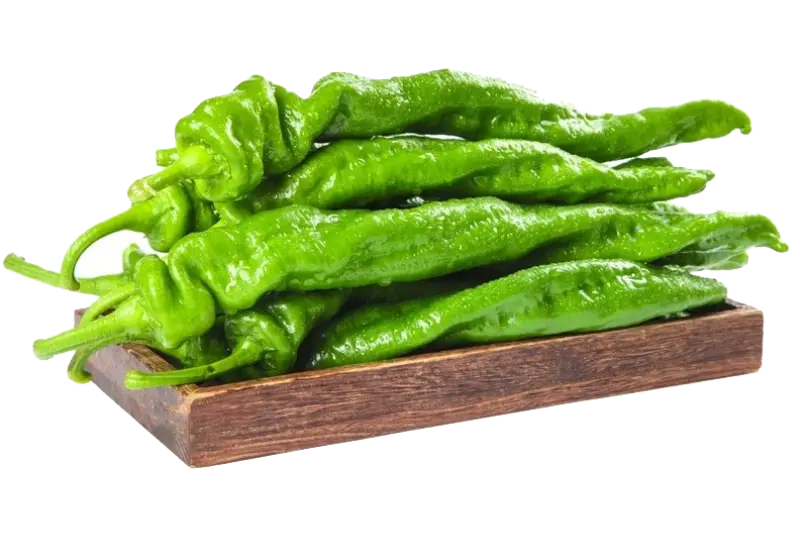
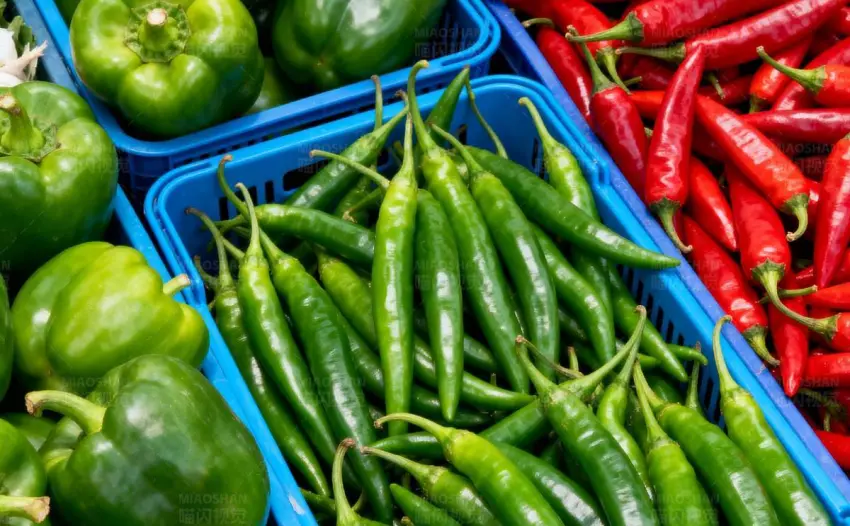
Screw pepper

Screw pepper is wrinkled and flavorful, medium hot. Popular in Hunan stir-fries.
-
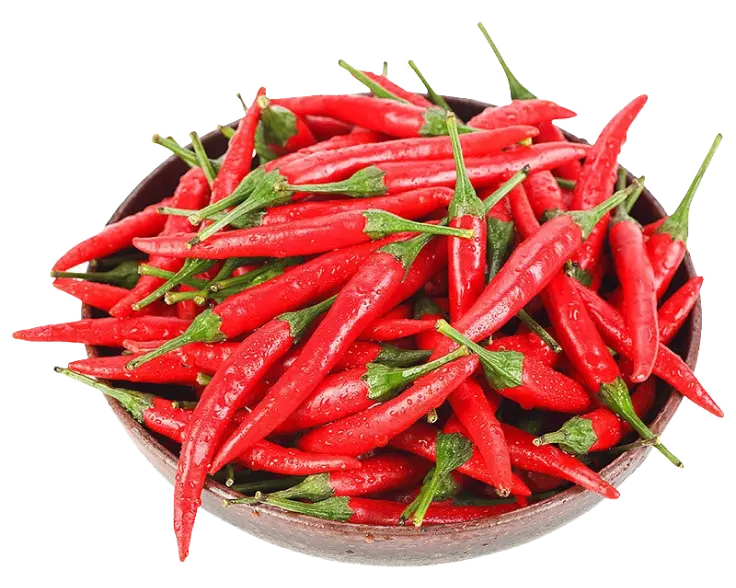
Spicy millet
Small, slender and very hot. A little brings bright red color and sharp heat.
-
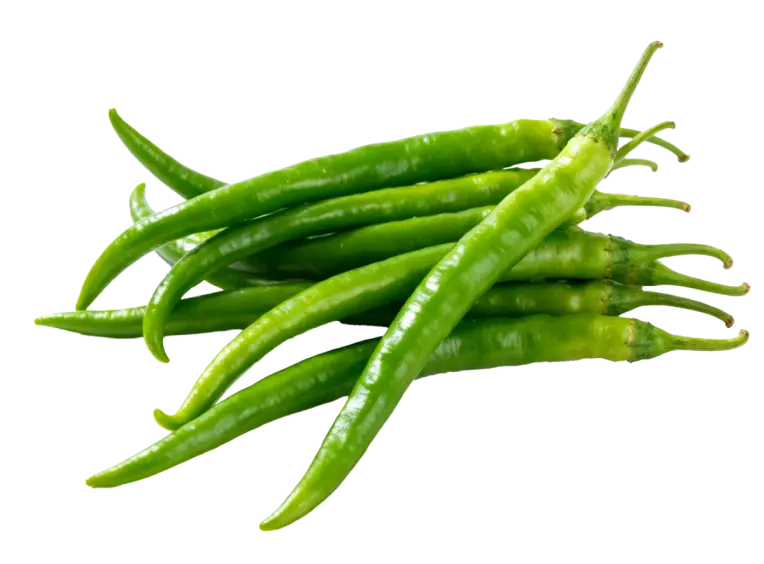
Line pepper
Long, slender and slightly hot. Popular for stir-fries and dried chili.
-
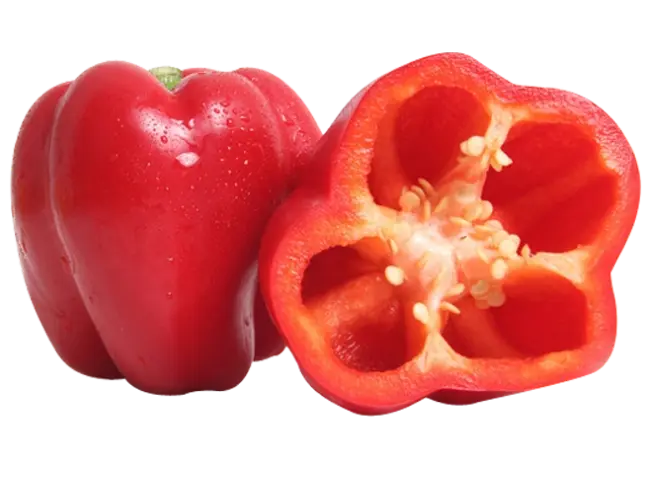
Red pepper
Sweet and fleshy, not hot. Used fresh in salads and stir-fries.
-
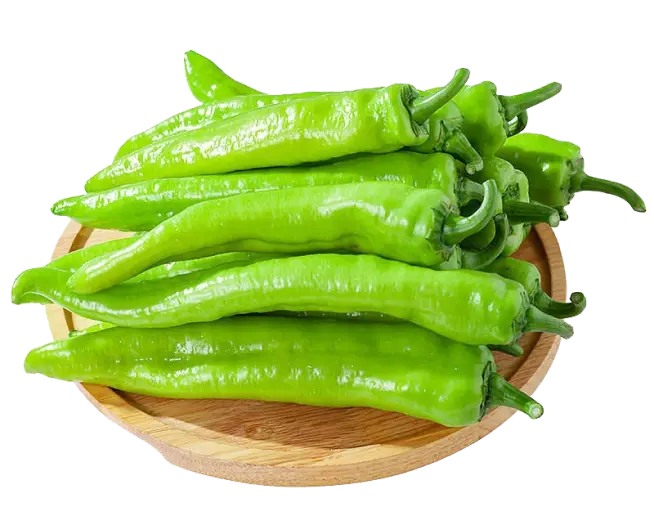
Zhangshugang pepper
Prized geographical indication from Zhangshugang, Hunan. Fragrant and mild.

Suitable growing environment for Hunan chili
-
01
Temperature (heat-loving; frost-shy; dislikes prolonged heat)
- Optimal growth at 20-30°C; around 25°C is best for flowering and fruiting
- Germination at 25-30°C; growth slows below 15°C, stops below 10°C and frost damage below 5°C
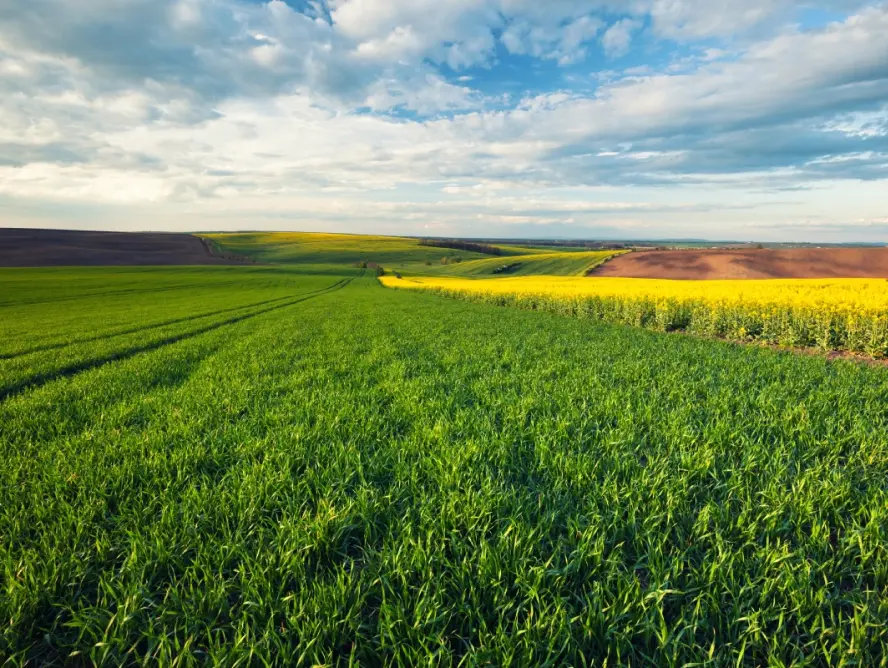
- Hunan advantage: more than 270 frost-free days; April to October suits chili
-
02
Sunlight
- A medium-light crop that likes ample sun but hates scorching
- 7-10 hours of light a day is ideal

-
03
Water and humidity
- Needs even moisture; hates waterlogging
- High humidity favors disease, so drainage is key

-
04
Soil
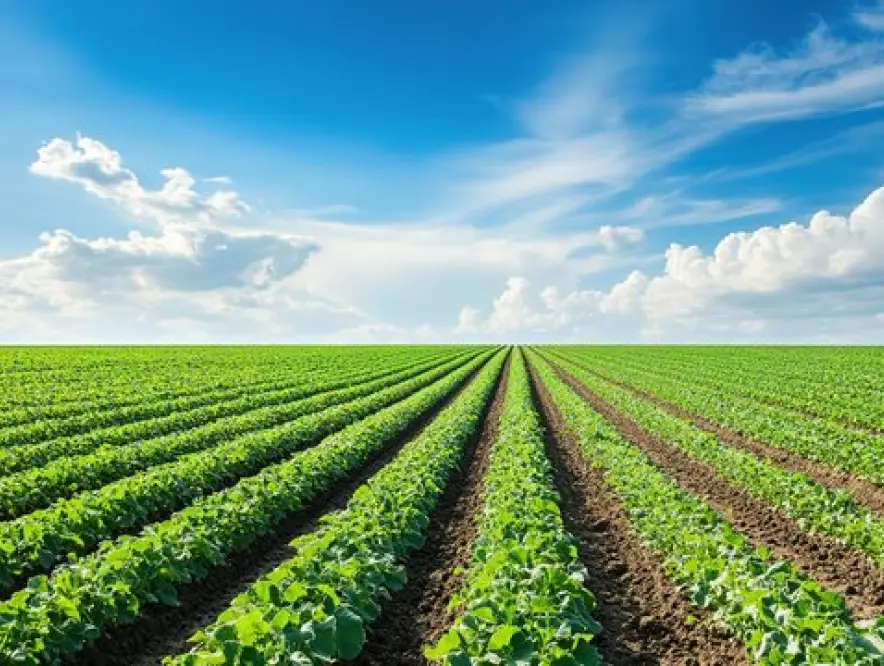
- Well-drained, fertile loam with pH 6.0-7.0
- Rich in organic matter gives better heat and flavor
-
05
Terrain (features of Hunan chili production areas)
- Hill ridges, gentle slopes and small mountain basins are best
- Zhangshugang chili owes its unique flavor to the small-basin microclimate
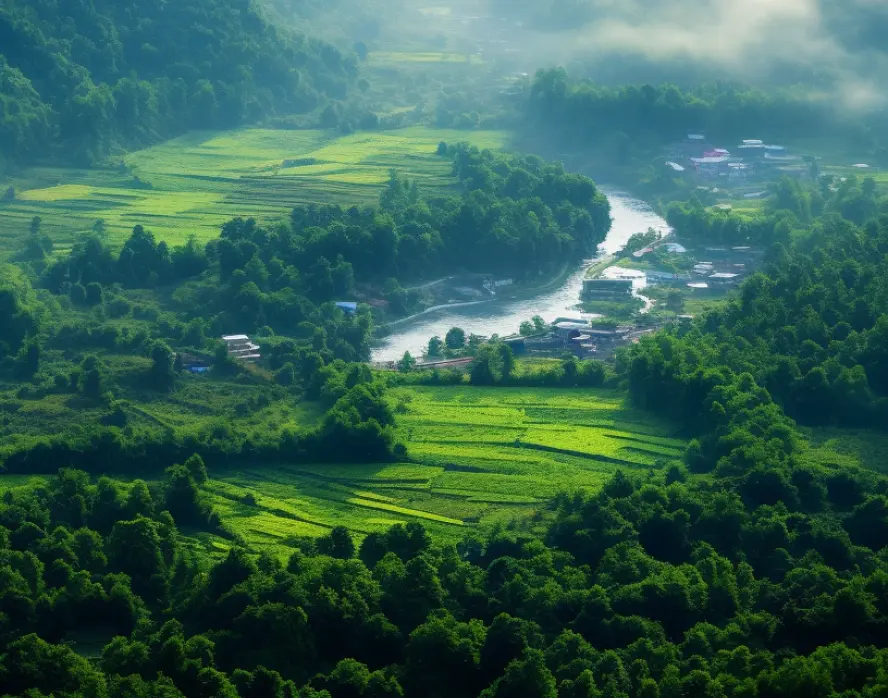
Hunan chili planting process
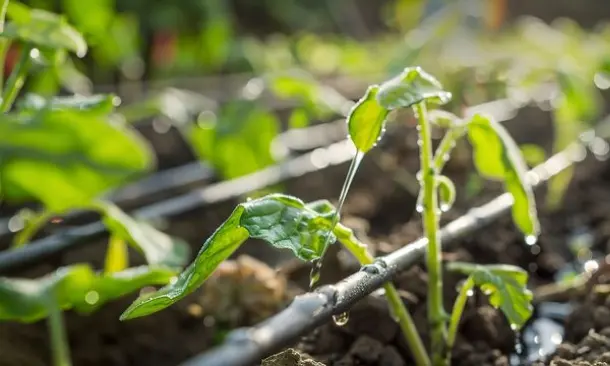
Sowing
1. Seedling raising (Jan-Mar)
Soak seeds, sow in trays at 20-28°C. Cover with film against spring cold. Ready in 50 days.
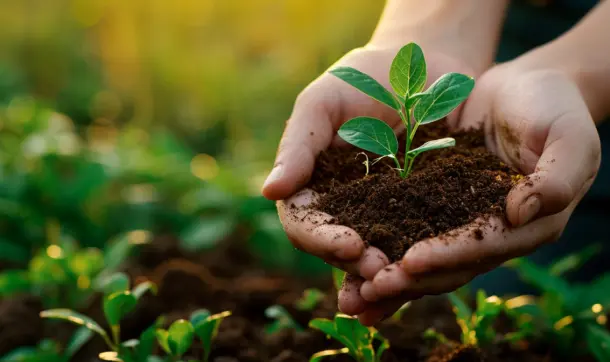
Planting
2. Transplanting (mid-April)
Plant on a sunny afternoon after nights stay above 15°C. Water in right after.
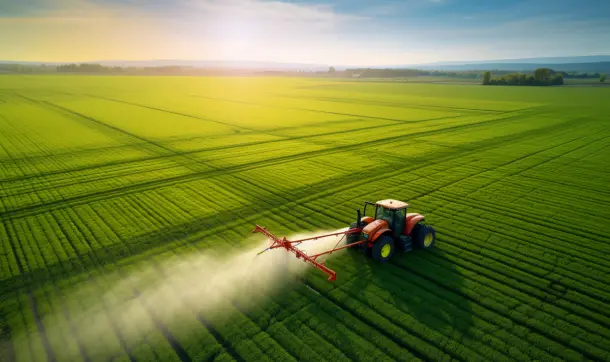
Growing
3. Field management
More potassium at fruiting for heat. Prune old leaves for ventilation. Watch blight and aphids.
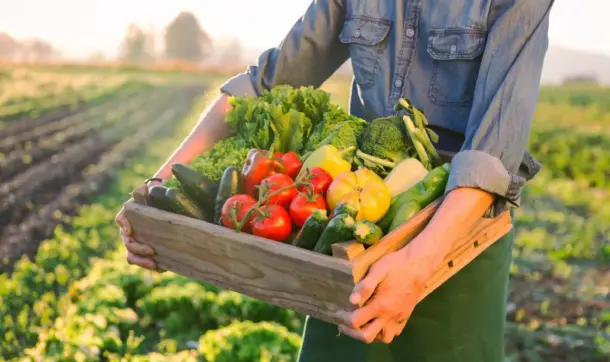
Harvest
4. Picking red chili at peak ripeness
Green chili picked early; red ones wait until fully red. Multiple pickings keep plants fruiting through autumn.
Common pests and diseases of Hunan chili
I. Common diseases
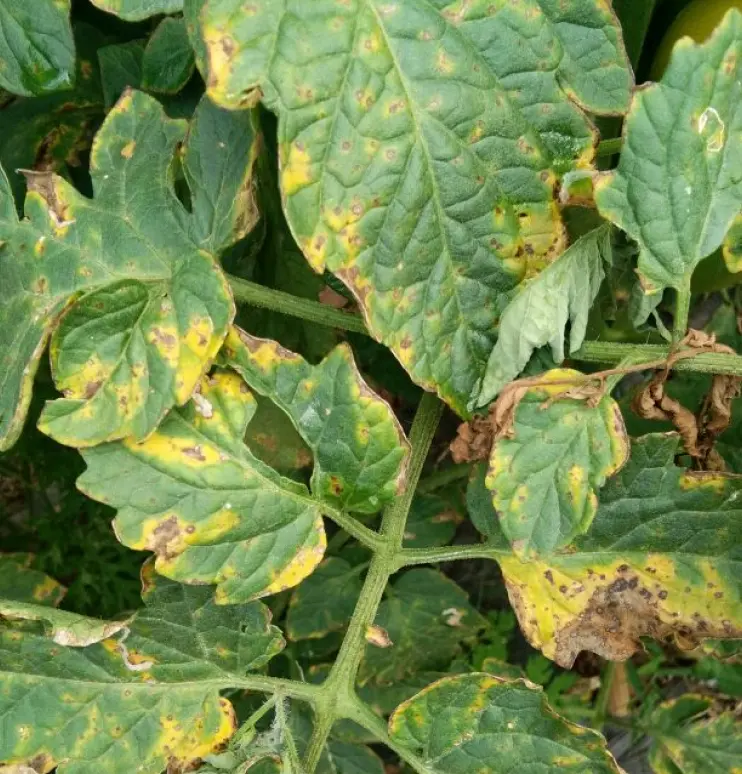
1. Phytophthora blight
Stems and leaves turn black and rot; fruit shows dark water-soaked spots.
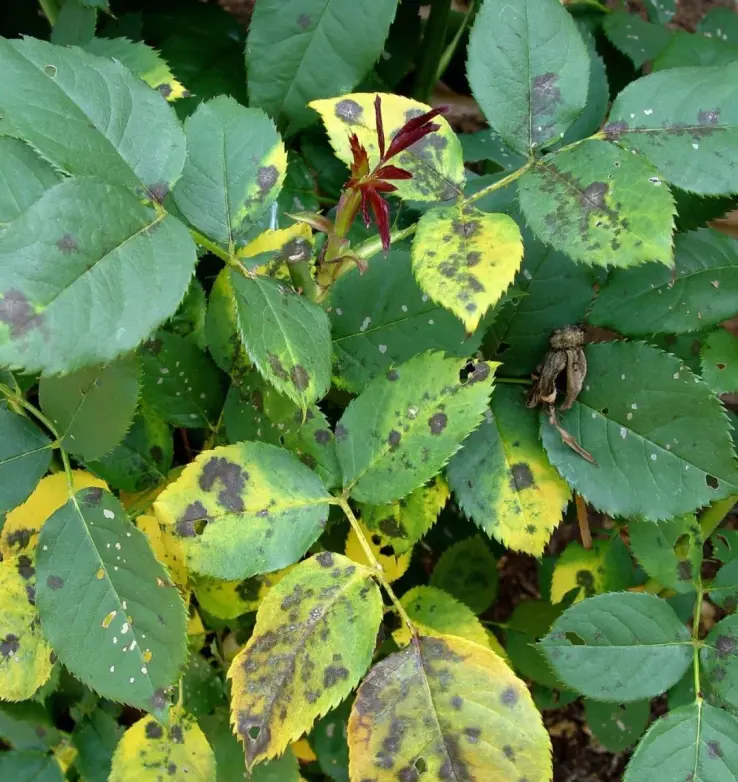
2. Bacterial wilt
Whole plant wilts suddenly; vascular bundle turns brown.
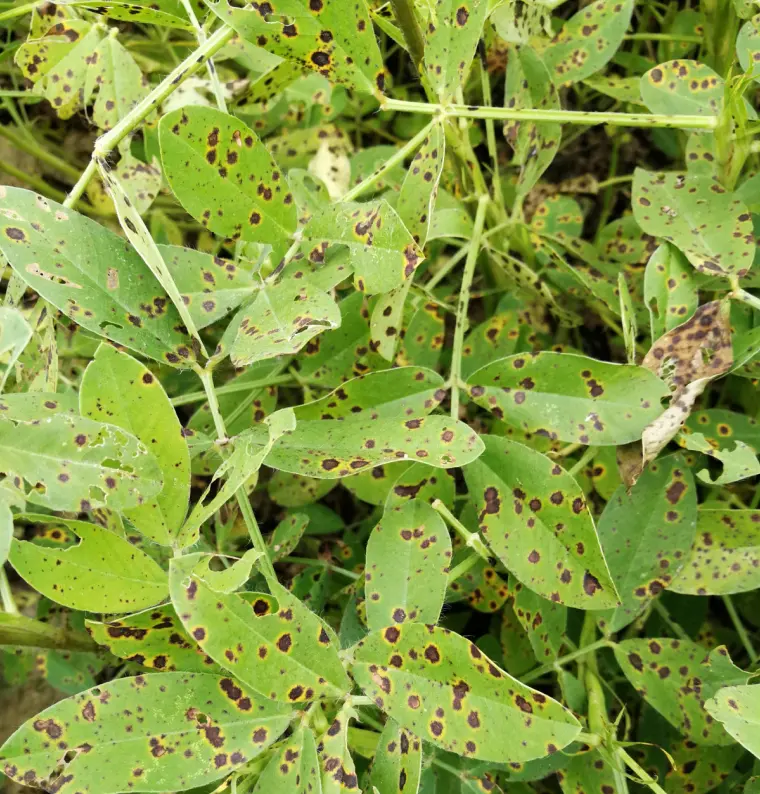
3. Anthracnose
Fruit shows sunken dark spots with pink-orange spores.
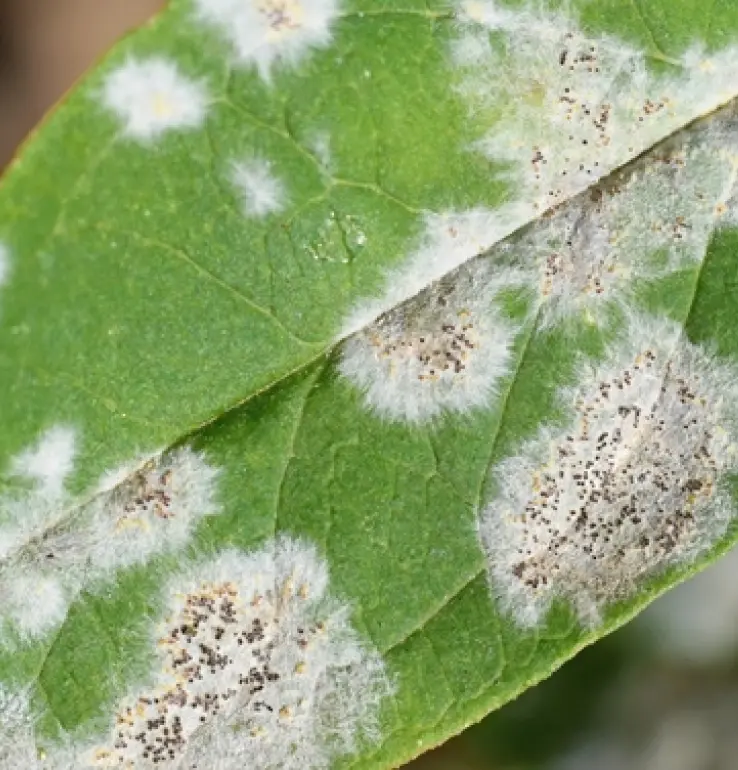
4. Powdery mildew
White powdery growth on leaves, reducing photosynthesis.
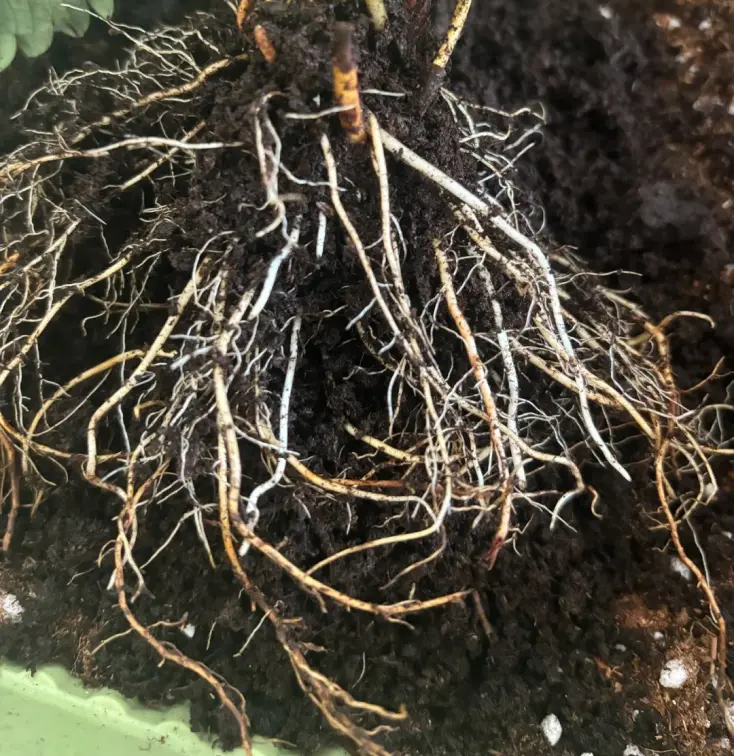
5. Damping-off
Seedlings rot at the soil line in early spring nurseries.
II. Common pests
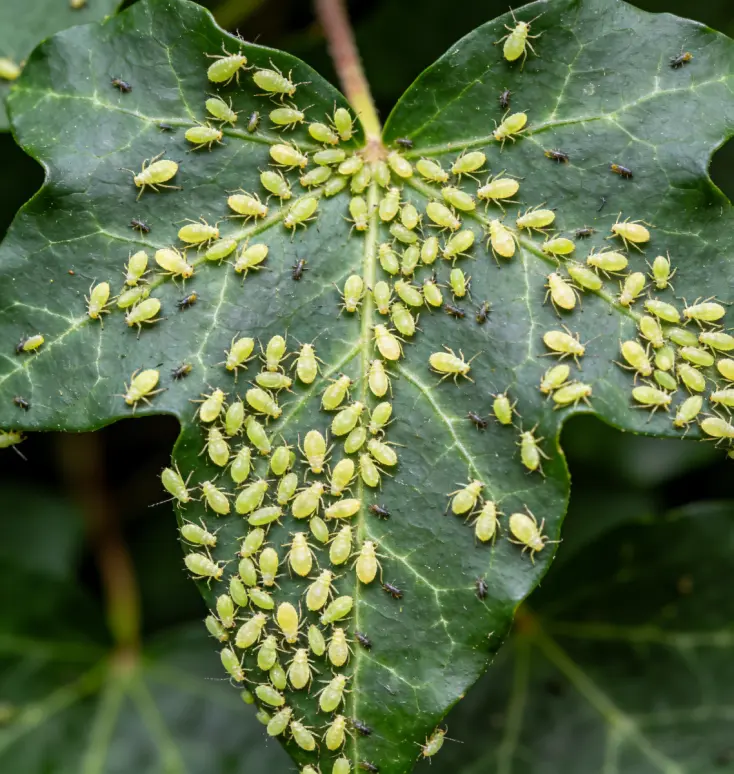
1. Aphids
Suck sap from new shoots; spread viruses.
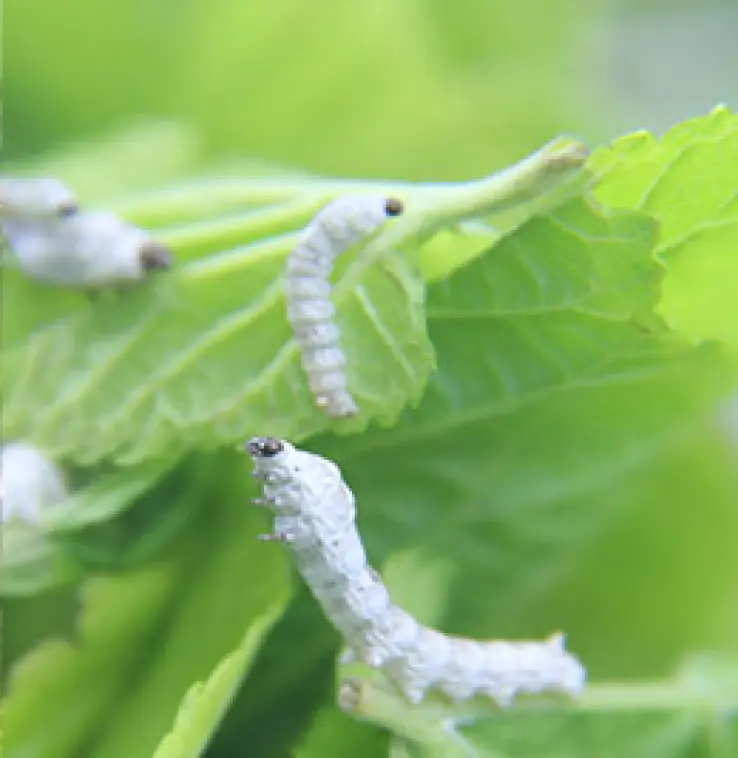
2. Tobacco budworm
Bores into fruit, causing rot and yield loss.
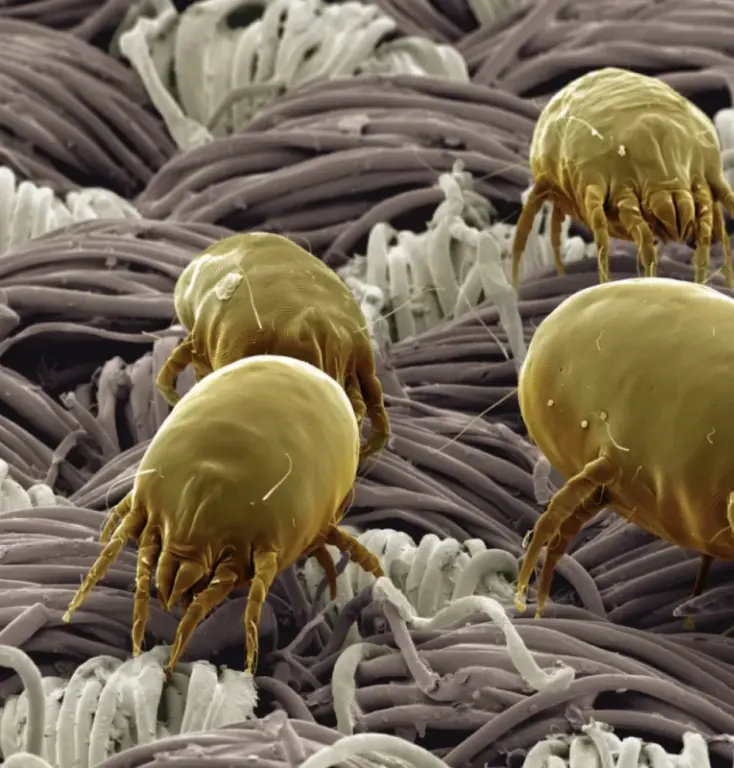
3. Broad mite
Distorts young leaves and buds in hot weather.
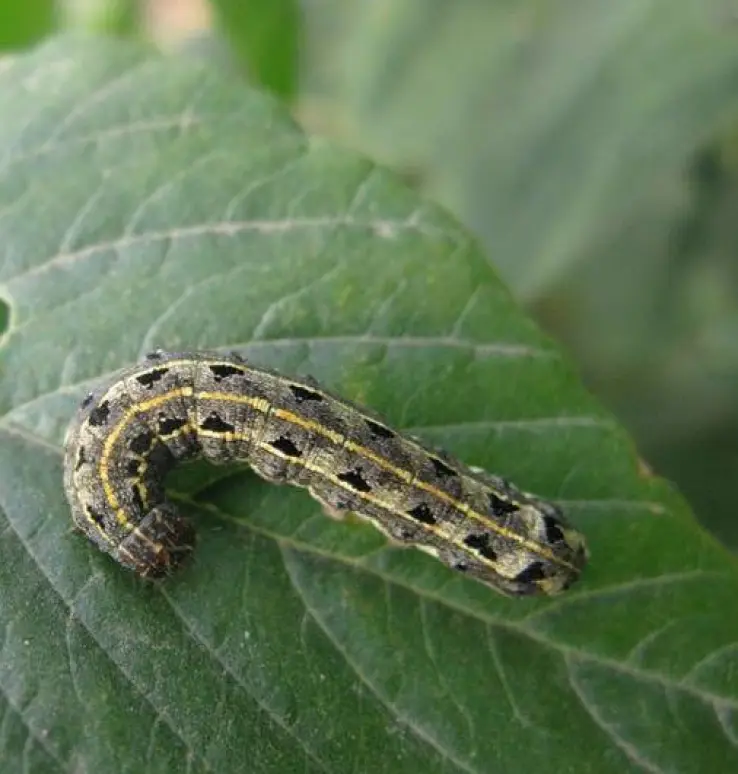
4. Spodoptera litura
Chews large holes in leaves and fruit at night.
Chili in Hunan daily life
01
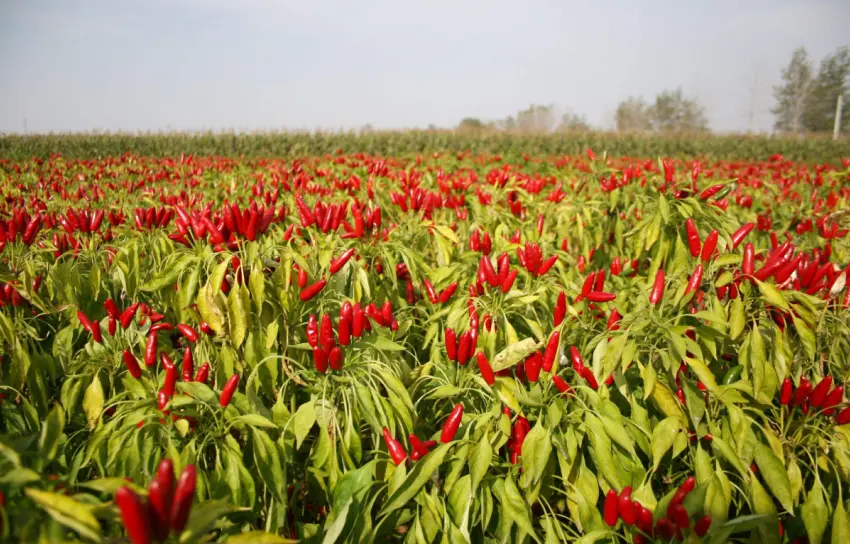
Harvest and Grading
Harvest ripe chilies, sort by quality and remove bad fruits.

02
Pre-cooling & Packaging
Cool fresh chilies and pack into cartons or mesh bags.
03
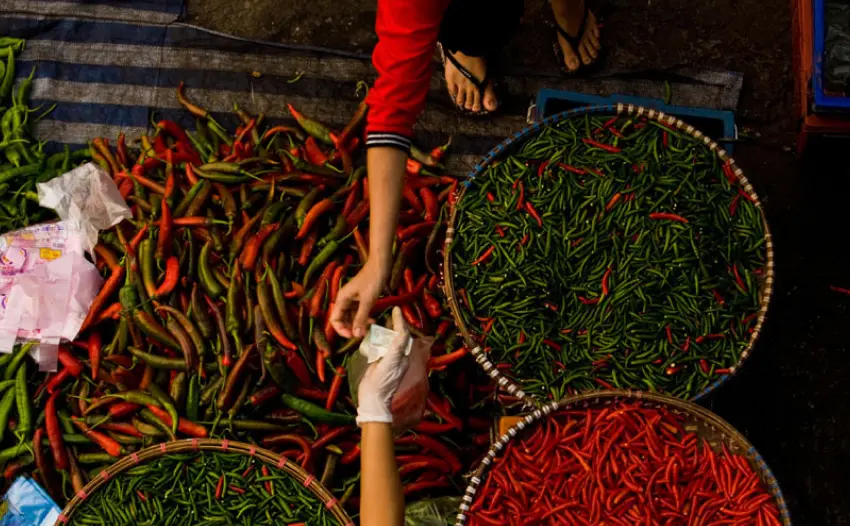
Channel Distribution
Sell via farmers’ markets, wholesalers, factories and e‑commerce

04
Transport and Storage
Cold‑chain transport; store in cool and ventilated warehouses
05
Terminal Sales
Sold in supermarkets, wet markets and restaurants

06
After‑sales Service
Handle damage and compensation for online orders
Why do Hunan people like spicy food?
Hunan's spicy food customs are characteristics formed by the joint precipitation of regional climate, product conditions and history and culture.
There are many rivers and lakes in Hunan, surrounded by mountains. It belongs to a subtropical humid climate with high air humidity. It is humid and cold in winter, sultry in summer, and the humidity is heavy. The spicy and stimulating peppers can promote sweating, help dispel the dampness and cold in the body, and at the same time improve appetite and improve the problem of loss of appetite in a humid environment. Before chili was introduced to China, the local ancient people relied on ginger, dogwood and other spicy ingredients to adjust their diet.
In ancient times, the transportation in the mountainous areas of Hunan was inconvenient, and salt was difficult to obtain and expensive. Peppers are highly adaptable and can be grown in the mountains. They have high yield and are convenient for long-term storage after pickling and drying. The strong spicy taste can flavor coarse grains and vegetarian dishes and make up for the lack of salt. In the past, it was a cost-effective side dish for ordinary people and was widely popular among the people.
Population migration in the Ming and Qing Dynasties further promoted the popularity of chili peppers in Hunan. A large number of immigrants reclaimed the mountains, and peppers that are easy to plant and store have become the main daily seasoning. After being passed down from generation to generation, it has gradually formed a food tradition of "no spicy food" in Hunan.
The spiciness of Hunan cuisine is different from that of other regions: Sichuan is mainly spicy, Guizhou is mainly sour and spicy; Hunan is mostly spicy and spicy, highlighting the aroma of chili itself. Chili is not only a seasoning, but also often used as the main dish. The strong and straightforward taste also contrasts with the regional cultural temperament of Huxiang, and has become a very representative food symbol of Hunan.
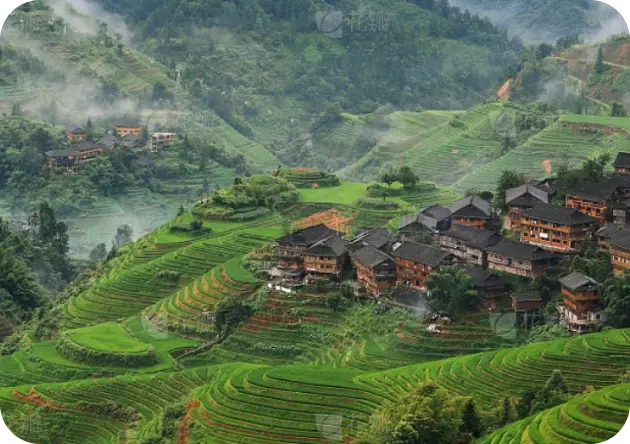
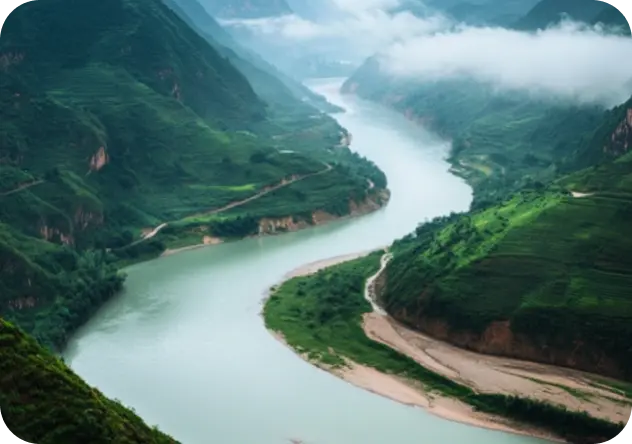

At first, it was forced by water, soil and living conditions, and gradually became a regional taste culture engraved on the table.