A language in Hunan--spicy
-
Kcal
47
-
Protein
2g
-
Carbs
9.2g
-
Fat
0.2g
What is spicy
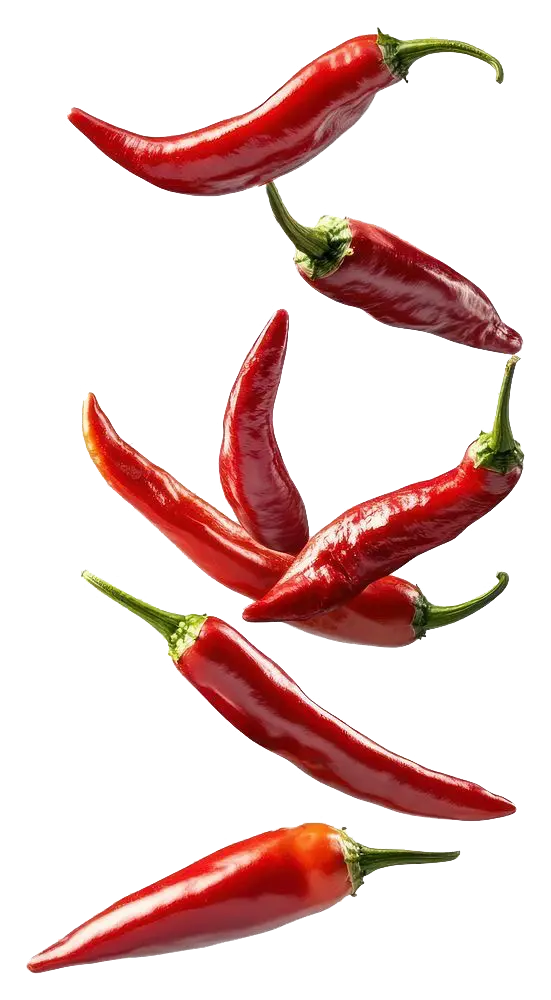
Spicy is the most distinctive imprint of Hunan cuisine. It produces a burning sensation by stimulating the mucous membrane by capsaicin, which is a pain rather than a taste. Hunan spicy pays attention to the coexistence of fragrance and freshness, setting off the original taste of the ingredients, which is the unique flavor engraved in Hunan fireworks.
Hunan's chili
-
Screw pepper
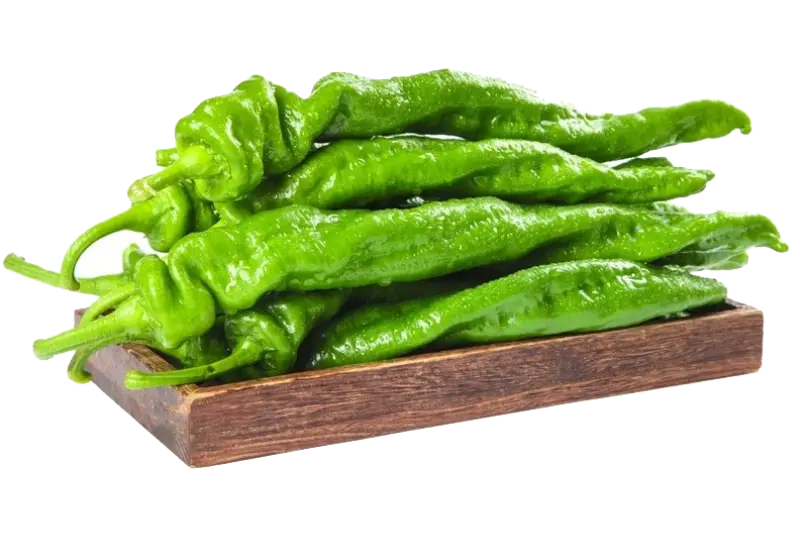
Screw pepper has wrinkled spiral skin and a rich, fragrant, medium-high heat. It is the classic chili for Hunan stir-fries.
-
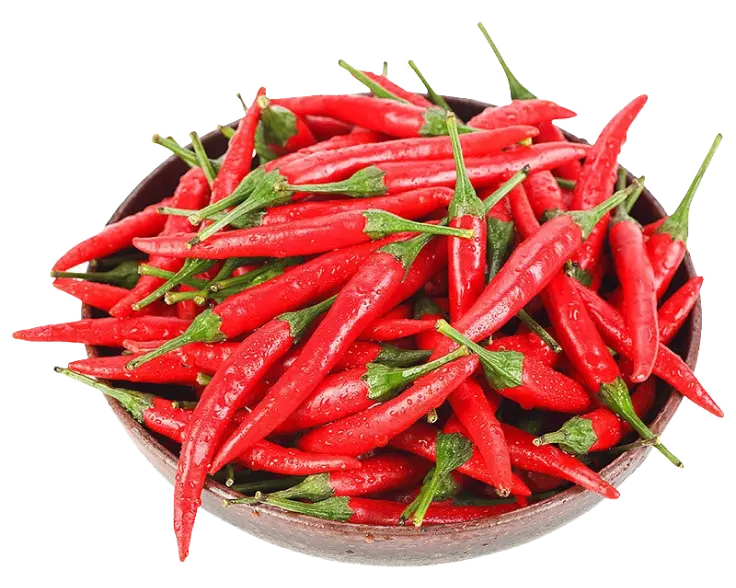
Spicy millet
Millet chili is small, slender and very hot. A little brings bright red color and sharp heat to chopped chili and sauces.
-
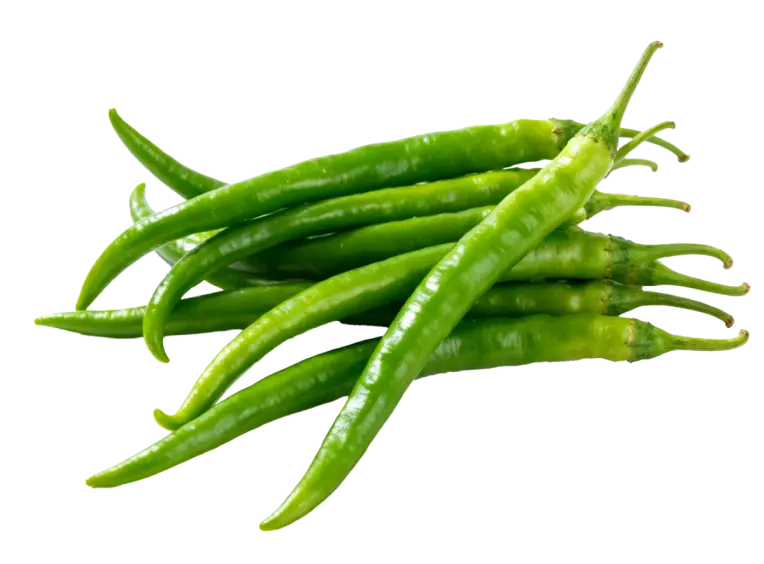
Line pepper
Line pepper is long and slender, with mild heat and crisp flesh. It is widely used in Hunan home-style stir-fries.
-
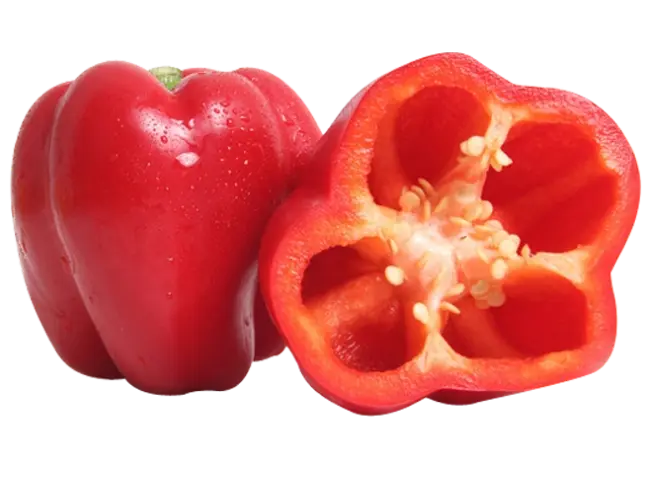
Red pepper
Red pepper is thick-fleshed, crisp and mild, with a light sweetness. It adds color and texture with very little heat.
-
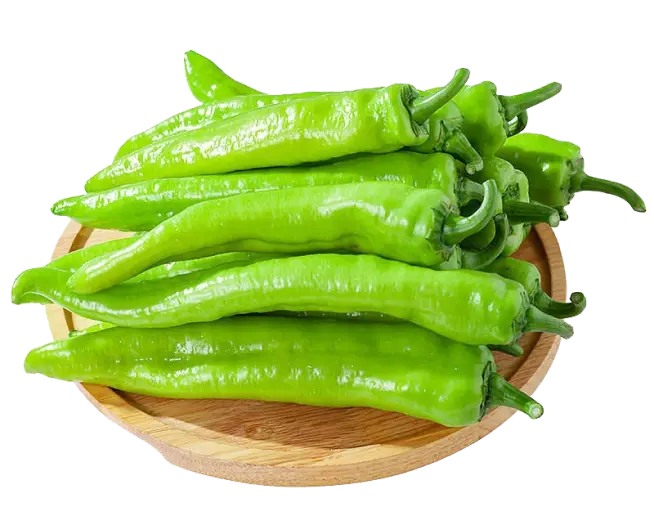
Zhangshugang pepper
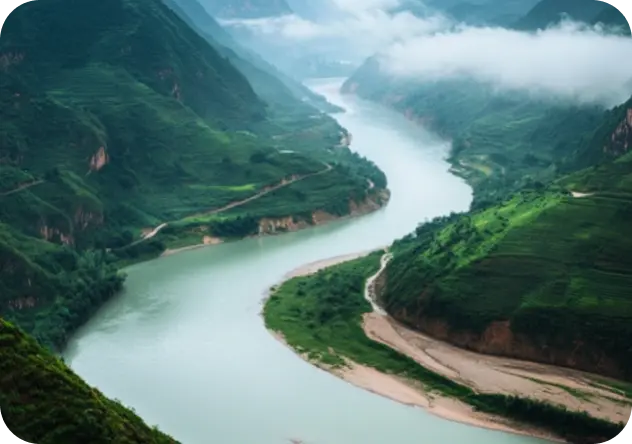
Zhangshugang pepper from Hengyang has thin skin, tender flesh and a strong aroma, shaped by its river-lake basin microclimate.

Suitable growing environment for Hunan chili
-
01
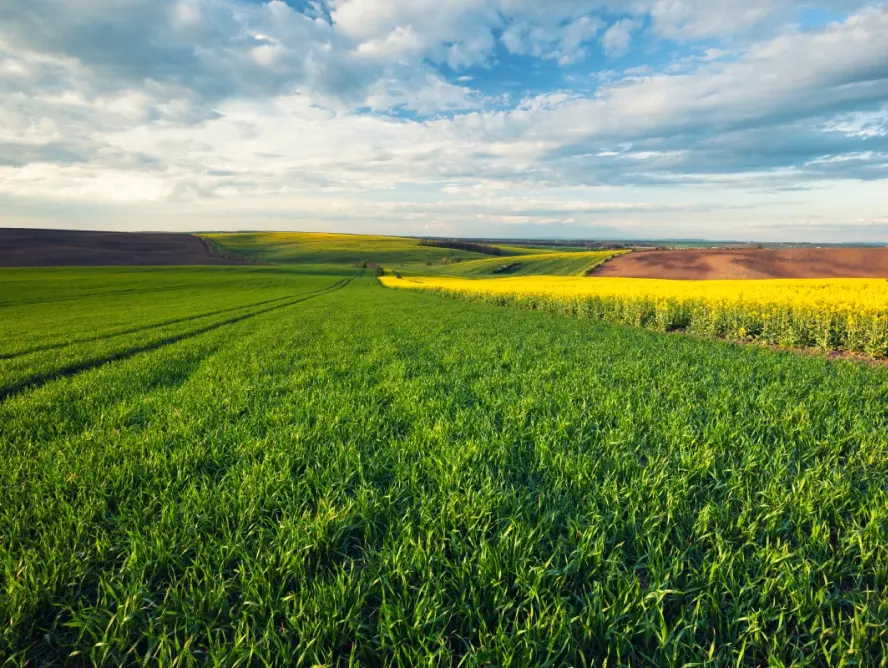
Temperature (heat-loving; frost-shy; dislikes prolonged heat)
- Optimal growth at 20-30°C; around 25°C is best for flowering and fruiting
- Germination at 25-30°C; growth slows below 15°C, stops below 10°C and frost damage below 5°C; above 35°C flowers drop and fruit set is poor
- Hunan advantage: more than 270 frost-free days; April to October suits chili. Guard against heat damage in summer and late-spring cold snaps in spring.
-
02
Sunlight
- A medium-light crop that likes ample sun but hates scorching; 7-10 hours of light a day is ideal.
- Hunan's hills and mountains provide good light; long overcast and rainy spells cause leggy growth and fewer fruit.

-
03
Water (likes moisture; hates waterlogging)
- Air humidity of 60-80%; keep soil moist but never waterlogged.
- Hunan rains a lot, so growers use high ridges and deep furrows for drainage; waterlogging causes bacterial wilt and root rot.
- During fruiting, avoid alternating dry and wet conditions, which causes fruit cracking.

-
04
Soil (Hunan's red soil, purple soil and sandy loam suit it best)
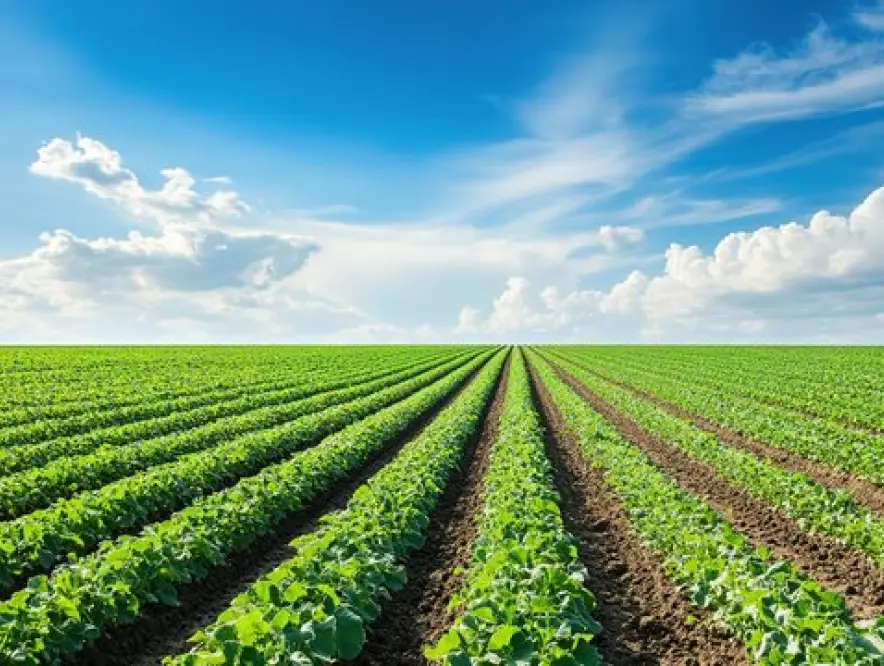
- Preference: sandy loam or loam with deep loose layers, good drainage, pH 5.8-6.8, rich organic matter and high potassium.
- Hunan feature: red and purple soils are rich in potassium, helping chili build up heat and aroma; avoid heavy waterlogged clay; do not rotate with Solanaceae (eggplant, tomato) to prevent soil-borne diseases.
-
05
Terrain (features of Hunan chili production areas)
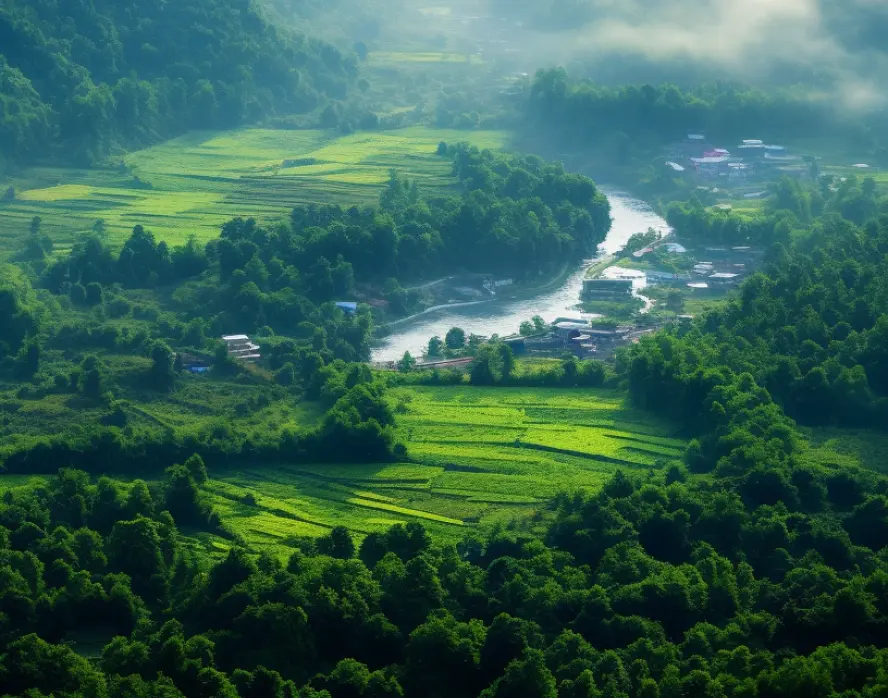
- Hill ridges, gentle slopes and small mountain basins are best: good ventilation and drainage, large day-night temperature swings, helping capsaicin and flavor compounds accumulate.
- Zhangshugang chili, for example, owes its unique flavor to the small-basin microclimate where rivers meet lakes.
Hunan chili planting process
-
Seedling raising (Jan-Mar)
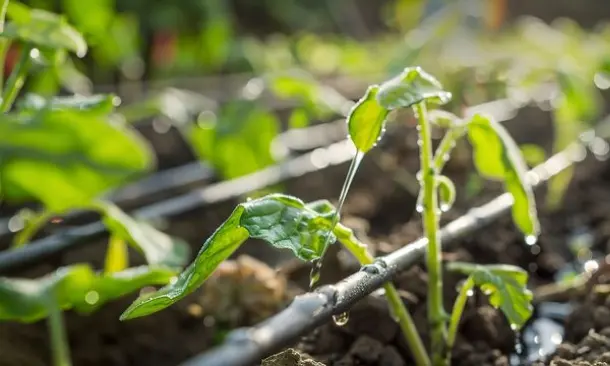
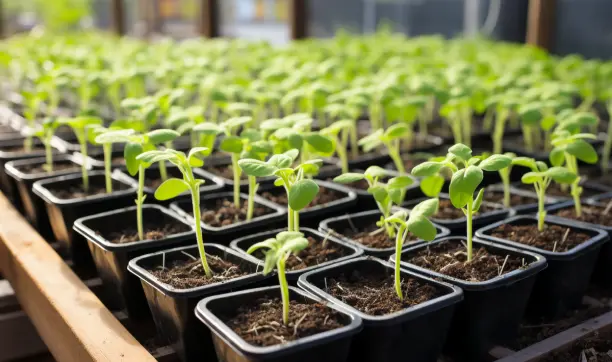
Select plump seeds and soak them in warm water to induce germination; sow in trays or seedbeds. Keep at 20-28°C and moist. Early spring in Hunan is cold, so cover with film to prevent late-spring cold damage. Seedlings are ready in about 50 days, at 4-6 true leaves.
-
Bed preparation and ridging
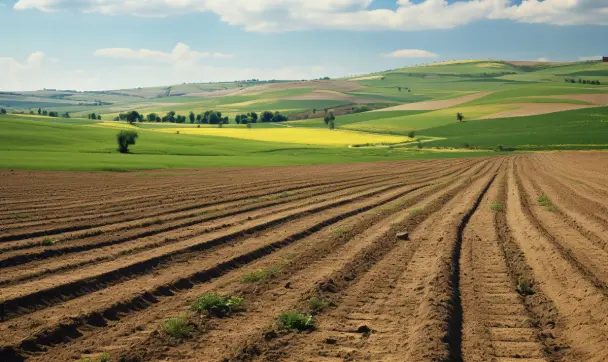
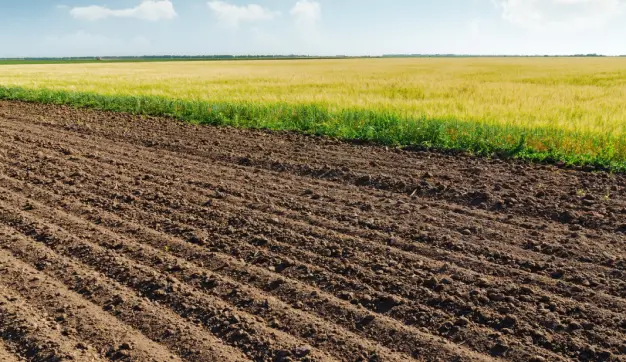
Choose well-drained land and avoid continuous cropping of Solanaceae. Deep-plow and apply well-rotted organic fertilizer as a base. Build high ridges with deep furrows (Hunan rains a lot; this prevents waterlogging and root rot).
-
Transplanting (mid-April, after temperatures stay above 15°C)
Transplant on a sunny afternoon and control plant spacing. Water in right after planting.

-
Field management
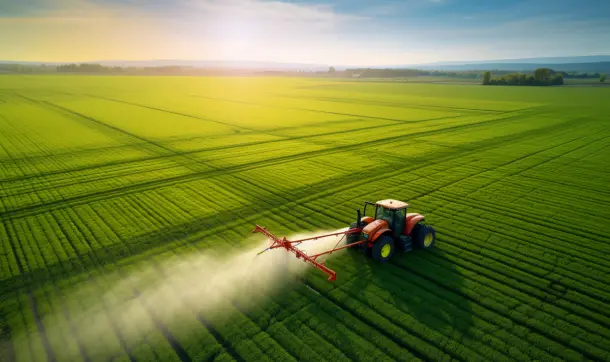
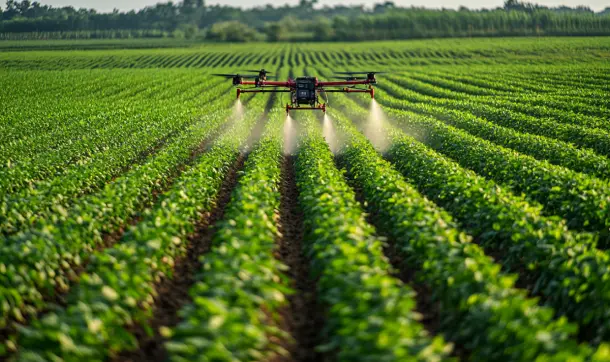
- Fertilization: little nitrogen at the seedling stage; more potassium at flowering and fruiting to boost heat. Keep soil moist and clear furrows promptly in the rainy season.
- Pruning: remove bottom old leaves and weak branches for ventilation and light, reducing disease.
- Pests and diseases: focus on blight, bacterial wilt, aphids and tobacco budworm.
-
Harvest (Jun-Oct)
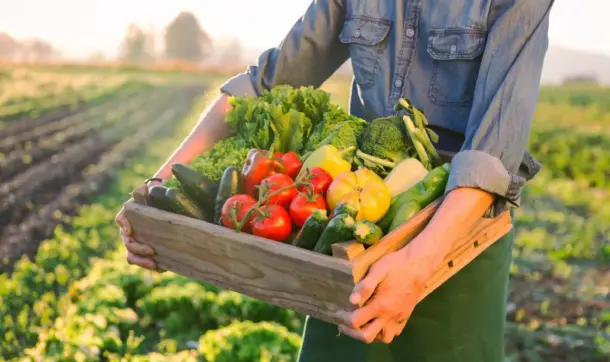
Pick in batches. Green chili can be harvested early; leave red ones until they turn fully red. Multiple pickings keep the plant flowering and fruiting, extending the harvest period.
Common pests and diseases of Hunan chili
I. Common diseases
-
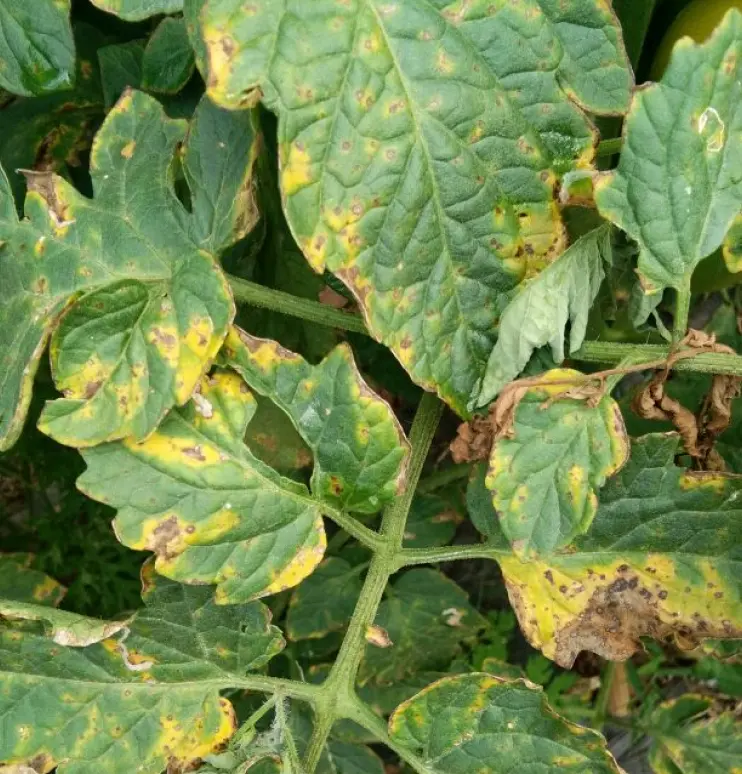
1. Phytophthora blight (most prevalent in the Hunan rainy season)
Symptoms: stems and leaves turn black and rot; fruit shows dark green water-soaked spots and rots quickly in high humidity. Heavy rain and waterlogging trigger outbreaks.
- Control:
- 1. Agricultural: build high ridges for drainage, avoid flood irrigation, no continuous cropping, ventilate and reduce humidity.
- 2. Chemical: spray dimethomorph or propamocarb hydrochloride at the early stage.
-
2. Bacterial wilt (destructive soil-borne disease)
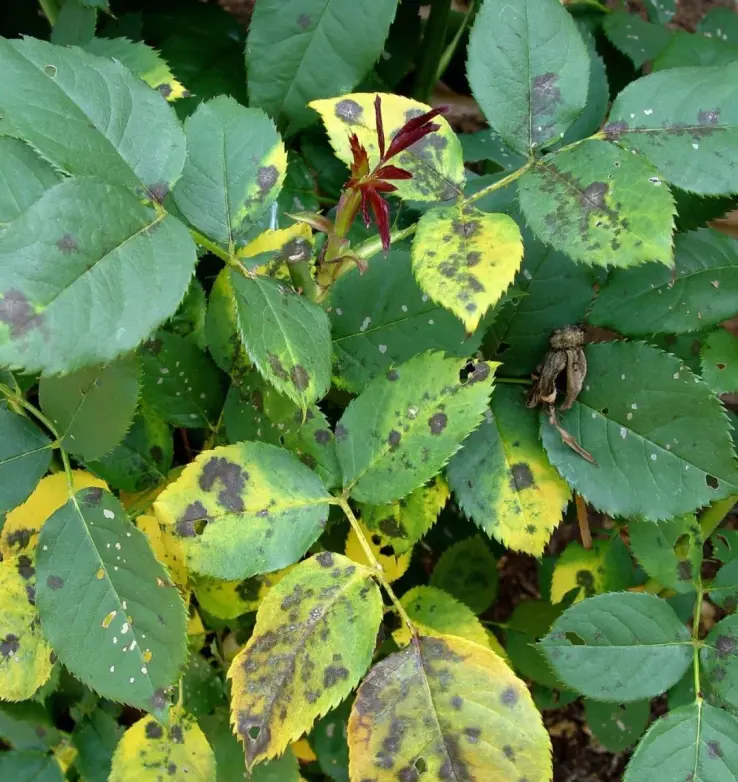
Symptoms: plants suddenly wilt by day, recover by evening, then die within days; the inner stem turns brown.
- Control:
- 1. Agricultural: use resistant varieties, high-ridge cultivation, drain promptly after rain, pull out and remove infected plants with roots, and dust the pit with lime.
- 2. Chemical: drench with zinc thiazole or kasugamycin at the early stage.
-
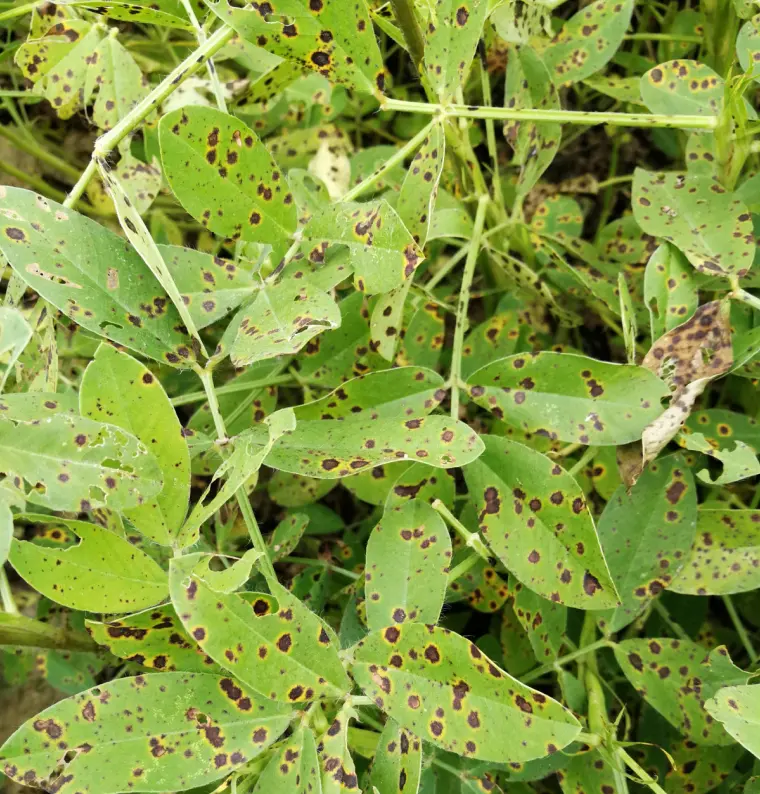
3. Anthracnose
Symptoms: sunken brown lesions appear on fruit and later develop black dots; it breaks out in hot, rainy weather.
- Control:
- 1. Agricultural: remove diseased fruit promptly and apply potassium to improve resistance.
- 2. Chemical: spray difenoconazole or prochloraz.
-
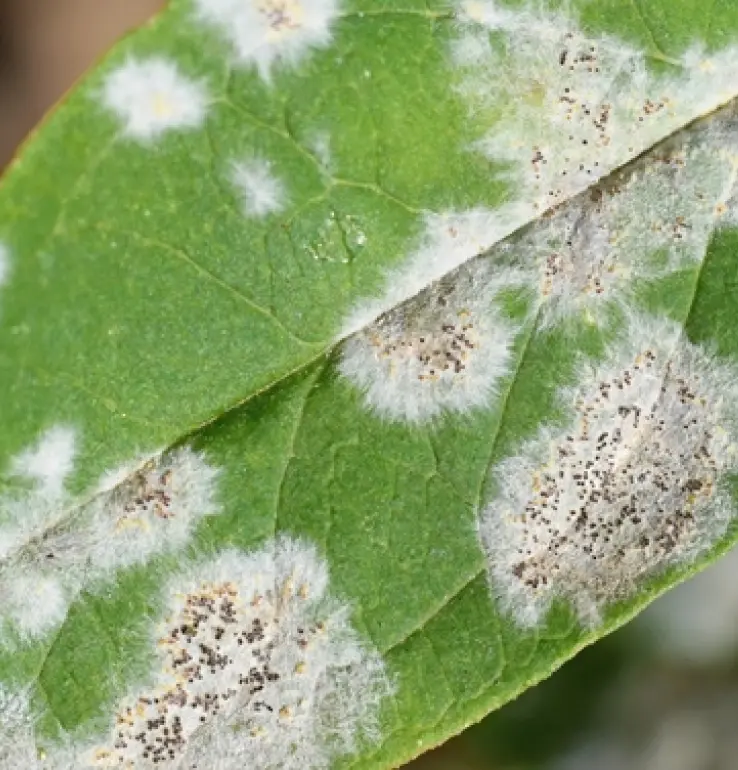
4. Powdery mildew
Symptoms: a white powdery layer forms on the underside of leaves; leaves yellow and drop.
Control: spray fenbuconazole or kresoxim-methyl and improve ventilation.
-
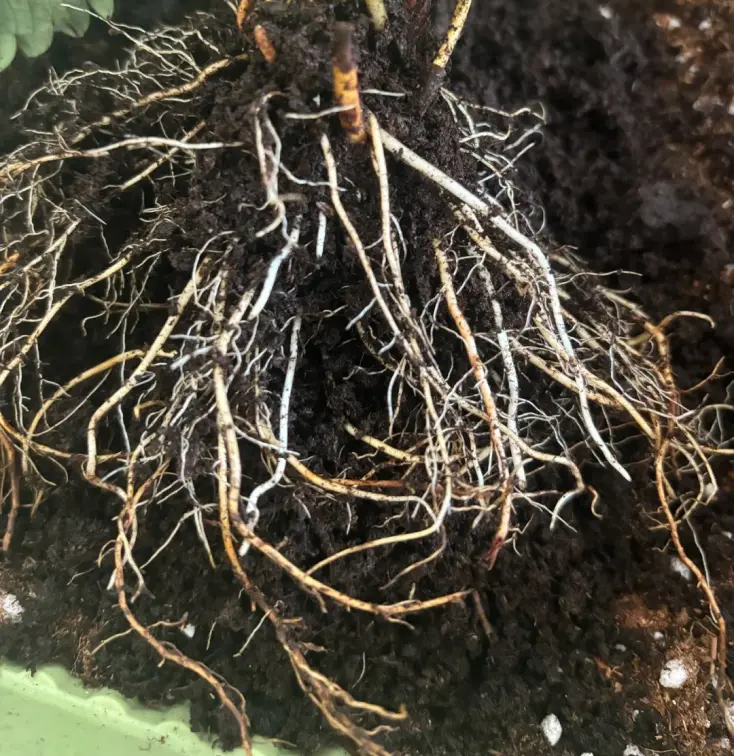
5. Damping-off (seedling disease in early-spring nurseries)
Symptoms: seedlings rot at the base and fall over; whole patches die. High humidity under film makes it more likely.
Control: sterilize the nursery soil, control bed moisture, water less and drench beds with hymexazol.
II. Common pests
-
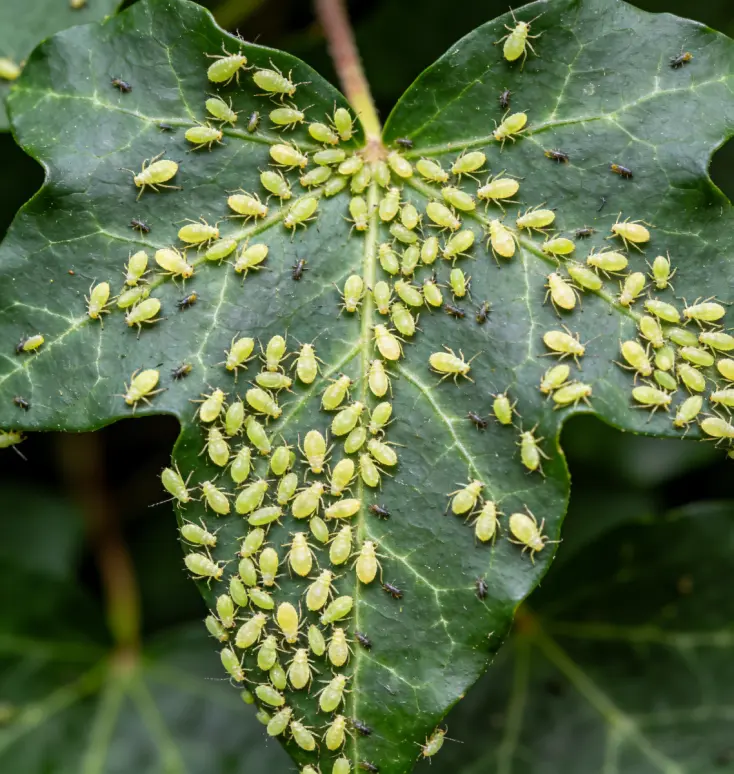
1. Aphids
Damage: they suck sap from young leaves, causing curling, and also spread virus diseases.
Control: spray imidacloprid or acetamiprid; hang yellow sticky traps in the field.
-
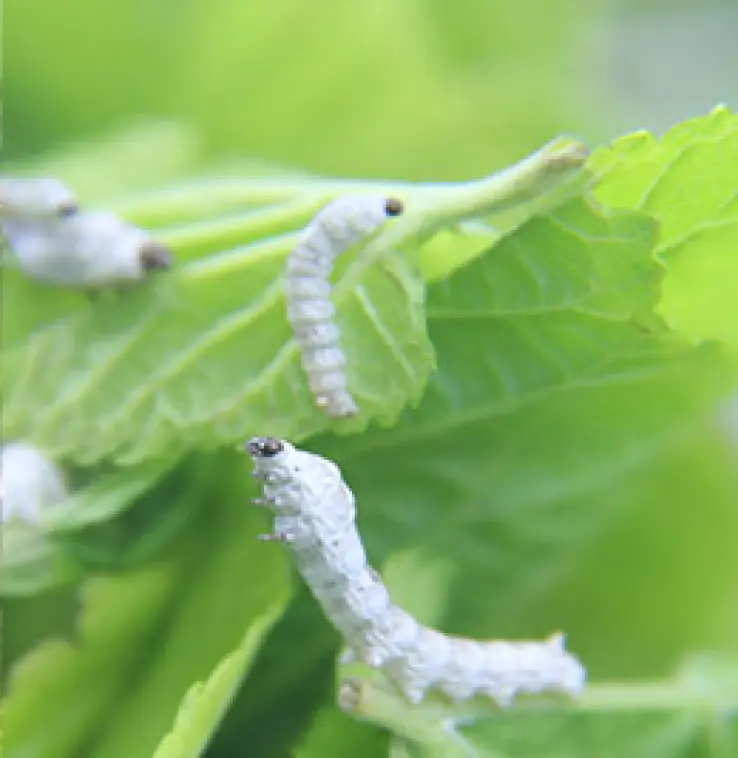
2. Tobacco budworm (fruit borer)
Damage: larvae bore into the fruit and feed inside, causing rot.
Control: chlorantraniliprole or emamectin benzoate; spraying in the evening works better.
-
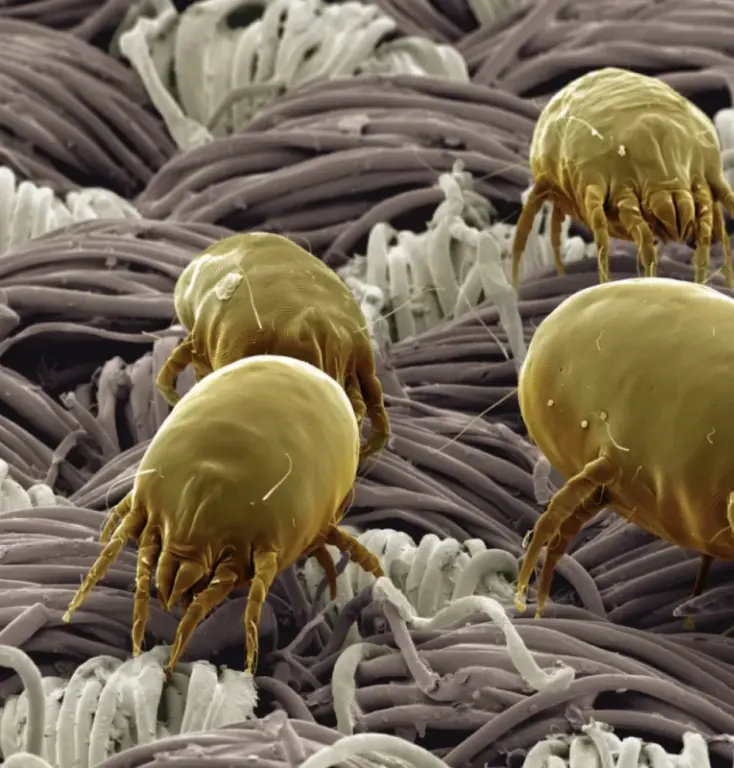
3. Broad mite
Damage: leaves curl and stiffen; fruit skin becomes rough and corky. Common in Hunan in summer and autumn.
Control: abamectin or spirodiclofen; make sure to cover the underside of leaves.
-
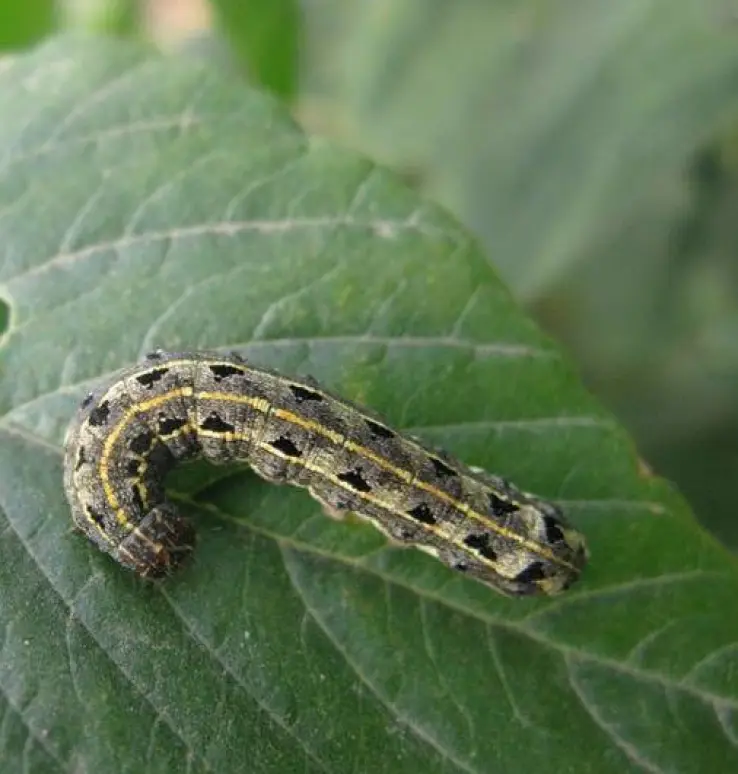
4. Spodoptera litura (common cutworm)
Damage: a voracious leaf-eater that can strip leaves and bite into fruit in a short time.
Control: Spodoptera litura nucleopolyhedrovirus or emamectin benzoate; apply in the evening.
Chili sales process
-
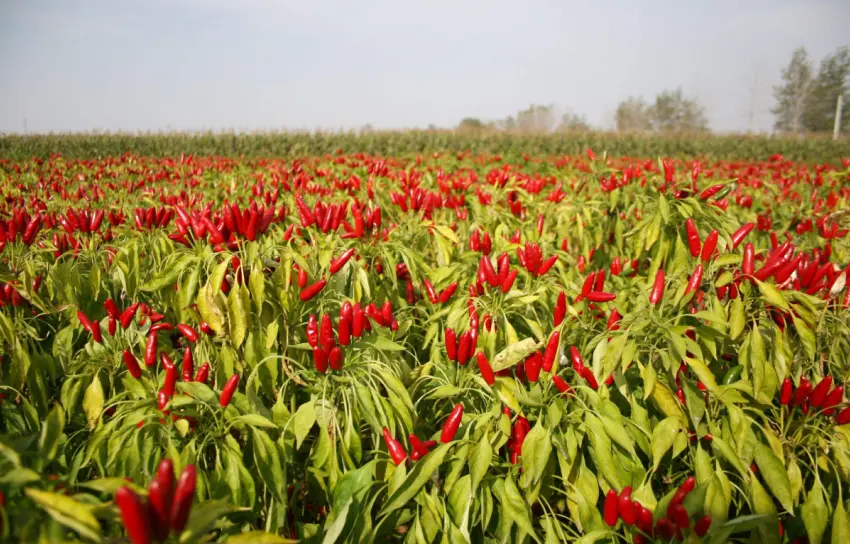
Harvest grading
After ripening, pick in batches and grade by size, color, damage and heat level. Remove rotten and diseased fruit; sort into green and red chili. Top-quality fruit is sold fresh; culls go to processing (chopped chili, chili powder).
-
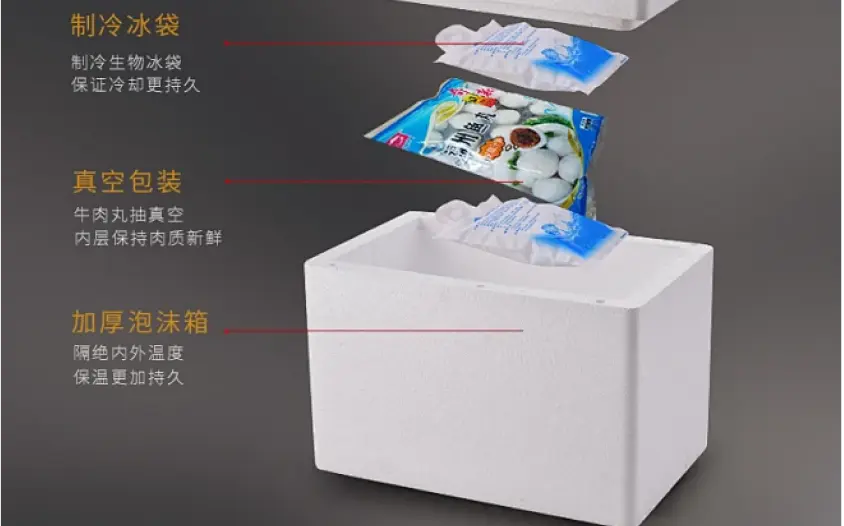
Pre-cooling and packaging
Cool fresh chili in the field and pre-cool briefly to slow respiration and prevent rot; pack in mesh bags or fresh-keeping cartons with variety labels.
-
Distribution channels
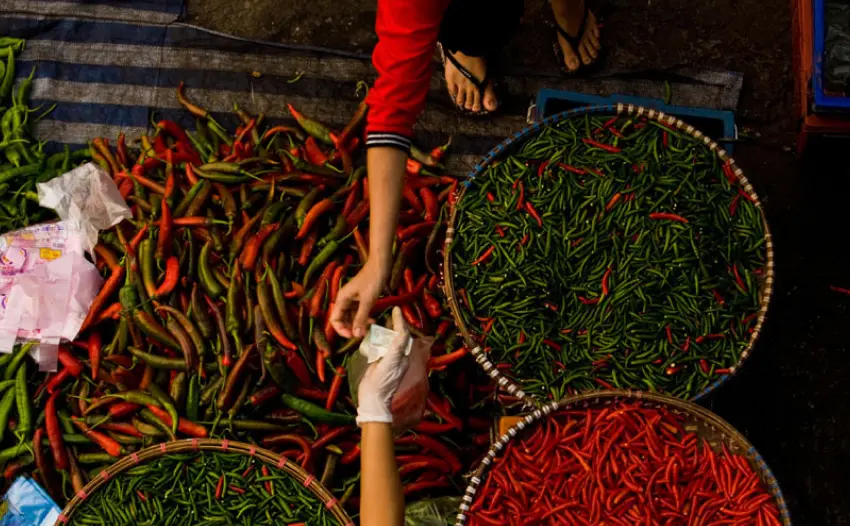
- Local growers: sell directly at farmers' markets and wet markets to restaurants and residents.
- Wholesalers: buy up chili and move it to large wholesale markets, distributing to retailers and restaurants.
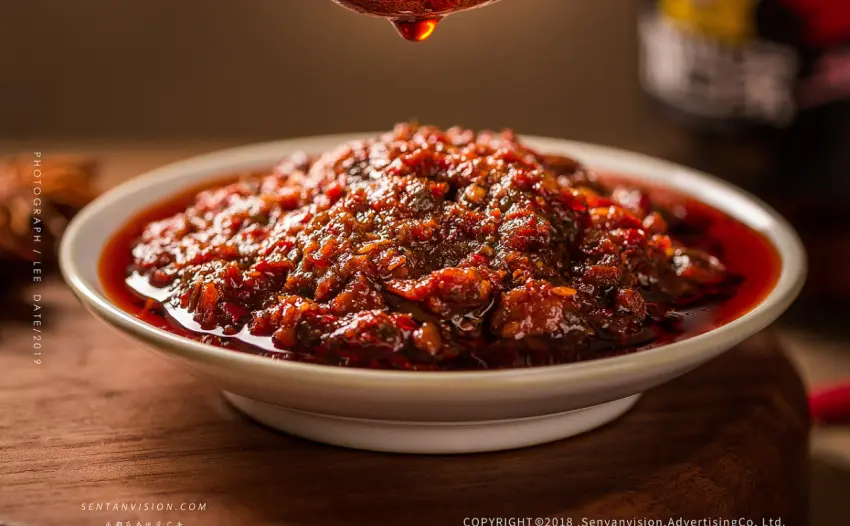
- Processors: sell to food factories for chopped chili, chili sauce, dried chili and chili flakes.
- E-commerce / livestream: pack online and ship nationwide by express; mostly premium chili.
-
Transport and storage
Fresh chili cannot stand heat or pressure; use ambient-temperature transport for short distances and cold-chain logistics for long distances. Warehouses should be ventilated and cool to avoid heat buildup and rot; dried chili stores long-term in dry warehouses.

-
Retail sales
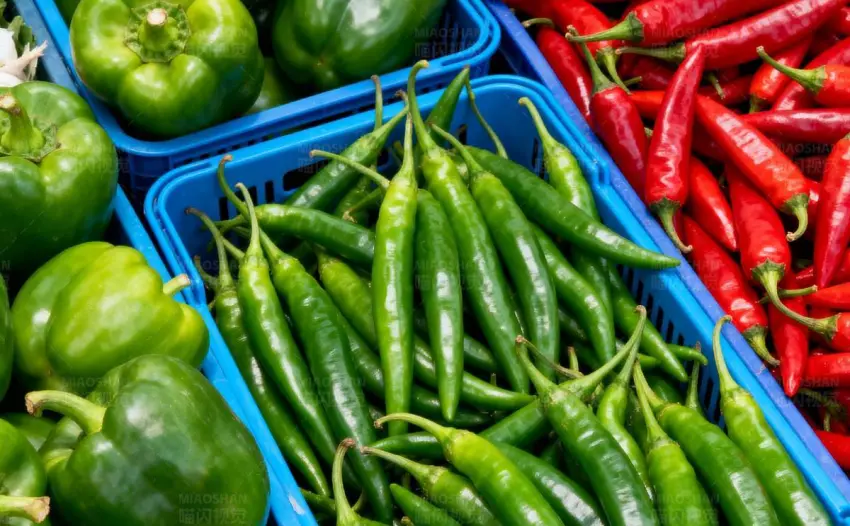
- Retail: supermarkets, fresh-food stores and wet markets sell to consumers
- B2B: restaurants and canteens buy for Hunan cuisine.
-
After-sales
Chili damaged in transit is written off as loss; online orders handle bad-fruit claims.

Why do Hunan people like spicy food?
Hunan's spicy food customs are characteristics formed by the joint precipitation of regional climate, product conditions and history and culture.
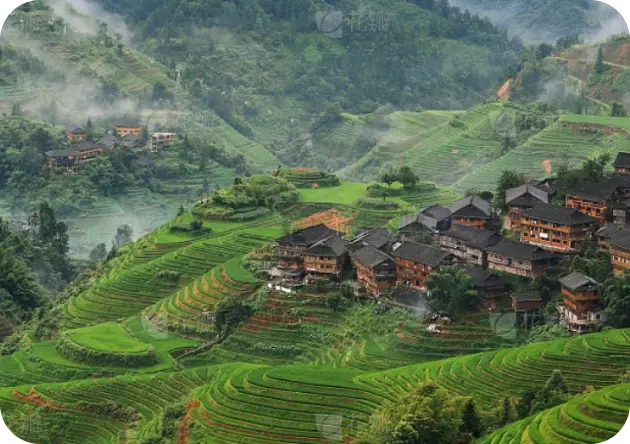
There are many rivers and lakes in Hunan, surrounded by mountains. It belongs to a subtropical humid climate with high air humidity. It is humid and cold in winter, sultry in summer, and the humidity is heavy. The spicy and stimulating peppers can promote sweating, help dispel the dampness and cold in the body, and at the same time improve appetite and improve the problem of loss of appetite in a humid environment. Before chili was introduced to China, the local ancient people relied on ginger, dogwood and other spicy ingredients to adjust their diet.
In ancient times, the transportation in the mountainous areas of Hunan was inconvenient, and salt was difficult to obtain and expensive. Peppers are highly adaptable and can be grown in the mountains. They have high yield and are convenient for long-term storage after pickling and drying. The strong spicy taste can flavor coarse grains and vegetarian dishes and make up for the lack of salt. In the past, it was a cost-effective side dish for ordinary people and was widely popular among the people.
Population migration in the Ming and Qing Dynasties further promoted the popularity of chili peppers in Hunan. A large number of immigrants reclaimed the mountains, and peppers that are easy to plant and store have become the main daily seasoning. After being passed down from generation to generation, it has gradually formed a food tradition of "no spicy food" in Hunan.
The spiciness of Hunan cuisine is different from that of other regions: Sichuan is mainly spicy, Guizhou is mainly sour and spicy; Hunan is mostly spicy and spicy, highlighting the aroma of chili itself. Chili is not only a seasoning, but also often used as the main dish. The strong and straightforward taste also contrasts with the regional cultural temperament of Huxiang, and has become a very representative food symbol of Hunan.
At first, it was forced by water, soil and living conditions, and gradually became a regional taste culture engraved on the table.